FDM 3D Printing
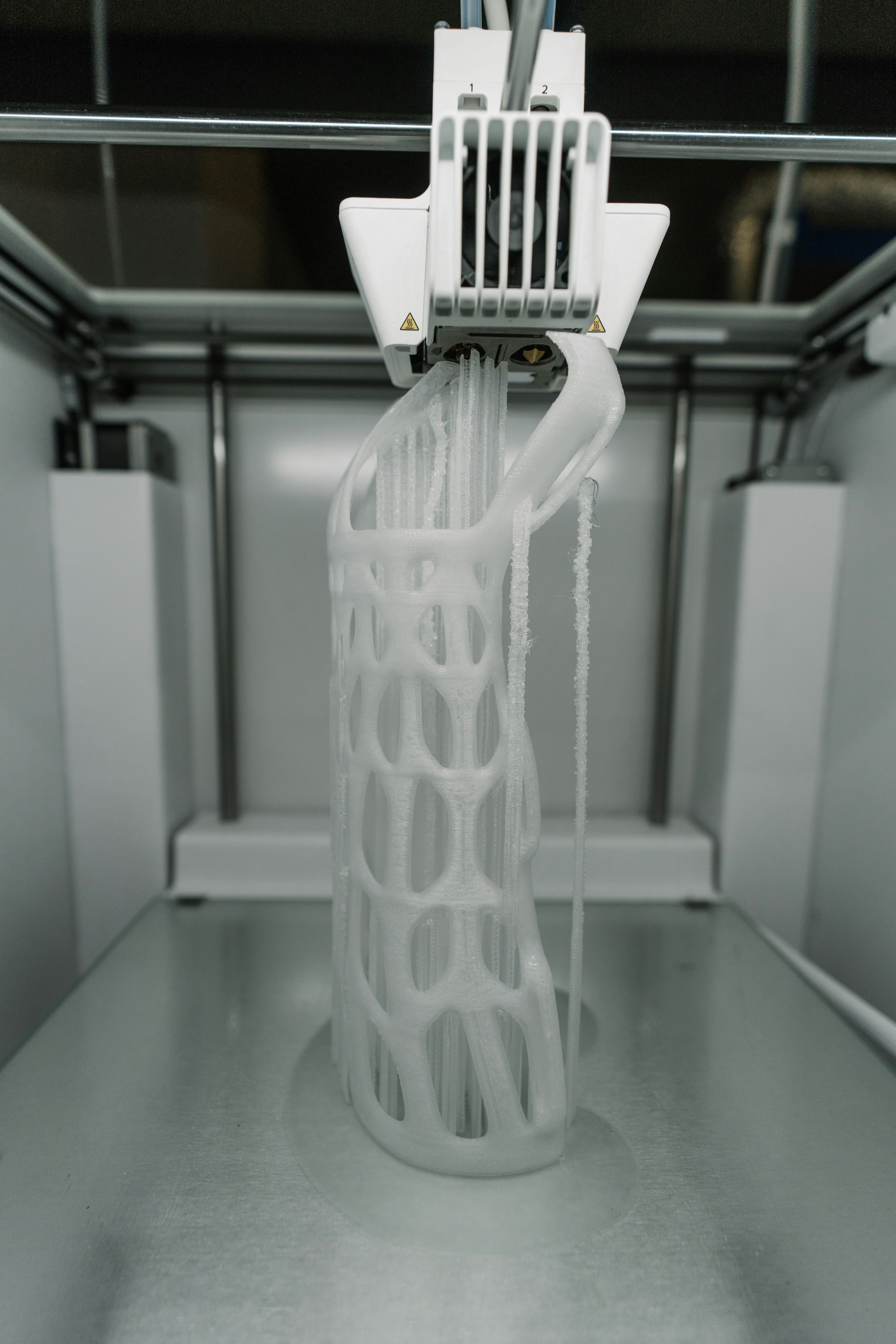
The process begins with a 3D model or a CAD file. We then convert that into a set of instructions that guides the printer as it deposits molten plastic (filament) through a fine nozzle. The material instantly solidifies and bonds with the layer beneath it, building a highly durable part from production-grade plastics like ABS or nylon.
FDM also gives us accurate control over the internal density, allowing your part to be engineered as lightweight and hollow for quick prototypes, or completely solid for maximum structural strength. Because it requires zero custom tooling or expensive moulds, FDM remains the most economical solution for everything from initial design validation to rugged, end-use mechanical components.
Due to this structural durability and versatility, FDM has been widely adopted across multiple industries for a variety of applications such as functional mechanical prototypes, automotive components, and custom electronics enclosures. In manufacturing environments, it is often used to rapidly produce lightweight custom jigs, fixtures, and ergonomic assembly tools to streamline production. It is also highly effective for fabricating durable spare parts, architectural models, or low-volume production runs when compared to traditional injection moulding.
Key Features & Benefits
Materials We Work With
Filaments
PLA, PLA+, ABS, PETG, ASA, TPU, Nylon, CF
Exotics
Wood filled , Silk PLA, Glow-in-the-dark
Preferred file types
STL, OBJ, 3MF, F3D, IPT, STEP
Interested in FDM 3D Printing?
Get in touch for a free quote. We'll work with you from concept to completion.
Get a Quote